
Lower school academics provide the foundation for all future learning.
Lower School: Grades K-4
Core Features
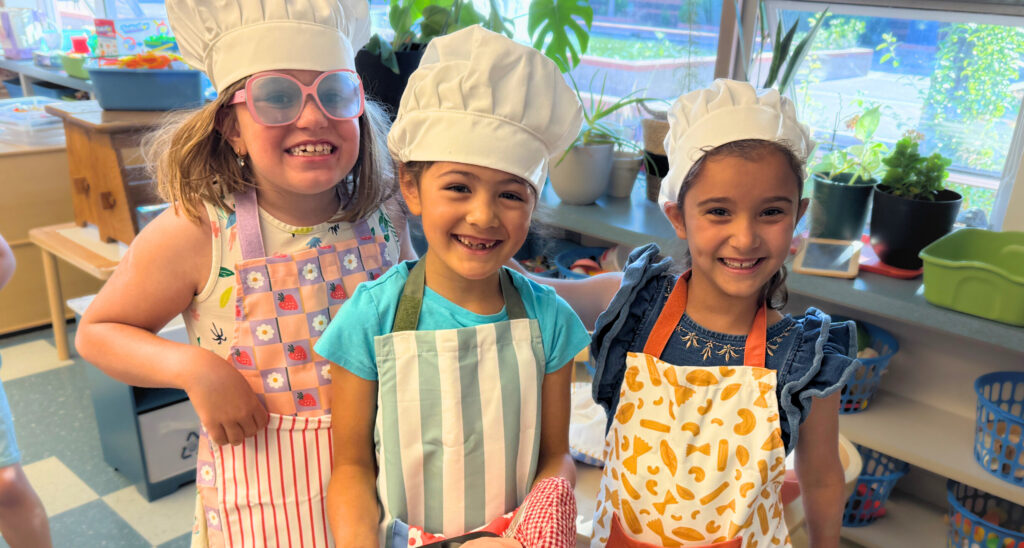
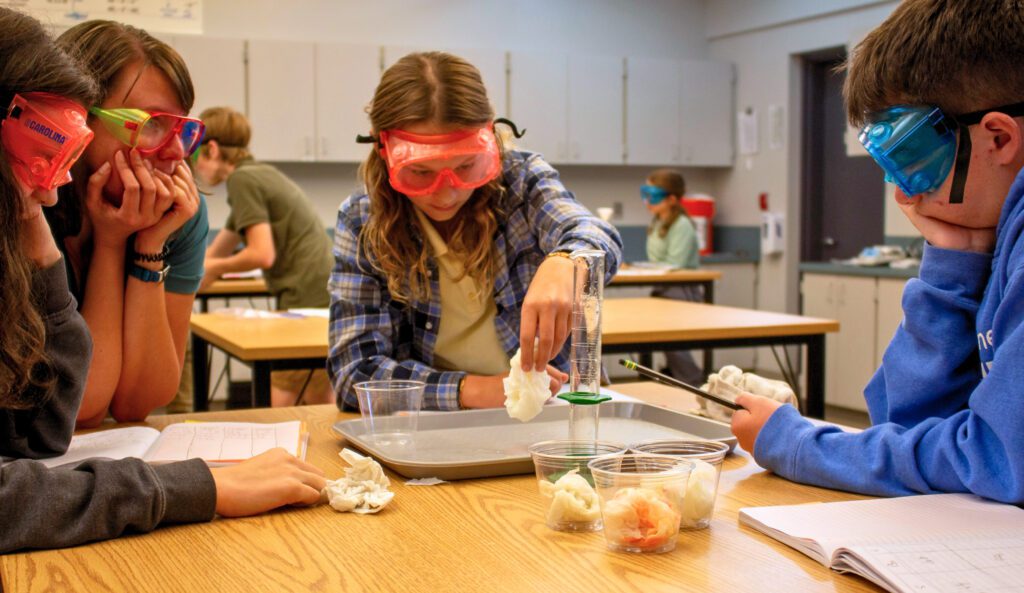
Our Commitment to Curriculum Transparency
We understand that when you drop your child off each morning, you are placing an incredible amount of trust in us. That trust matters deeply.
Every family brings its own traditions, values, and hopes for their child, and we honor the important role parents play as a child’s first and most enduring teachers. In that spirit, we are committed to transparency in all that we do.
We are committed to keeping you informed about what your child is learning, exploring, and experiencing in the classroom. Through curriculum overviews, developmental insights, regular updates through our School Status app, and a weekly newsletter, we aim to build a partnership rooted in openness and trust. We also provide opportunities to connect beyond the classroom through community events held outside of school hours, helping families build meaningful relationships with one another.
Our goal is simple: to work alongside you with clarity, consistency, and care so that together we can support your child’s growth with confidence. In this spirit, if a parent believes it is not in the best interest of his or her child to be taught some component of the curriculum, the parent has the right to keep the child home during that activity.

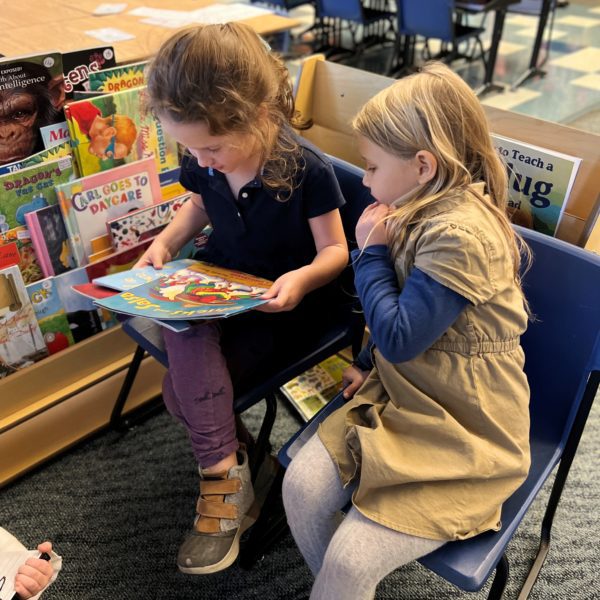
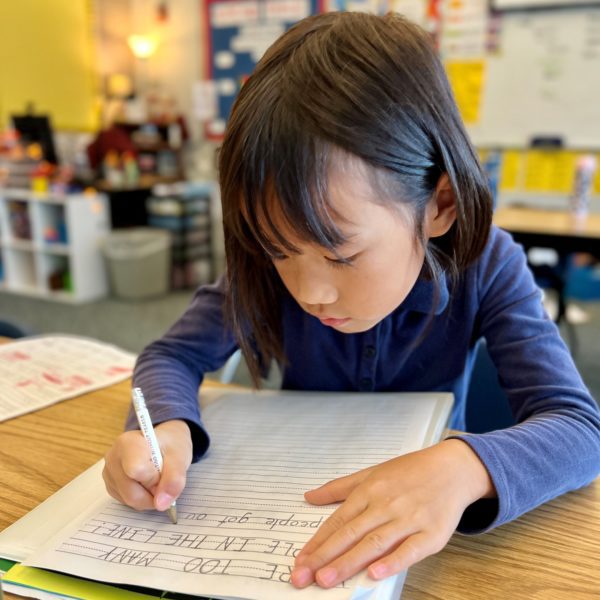
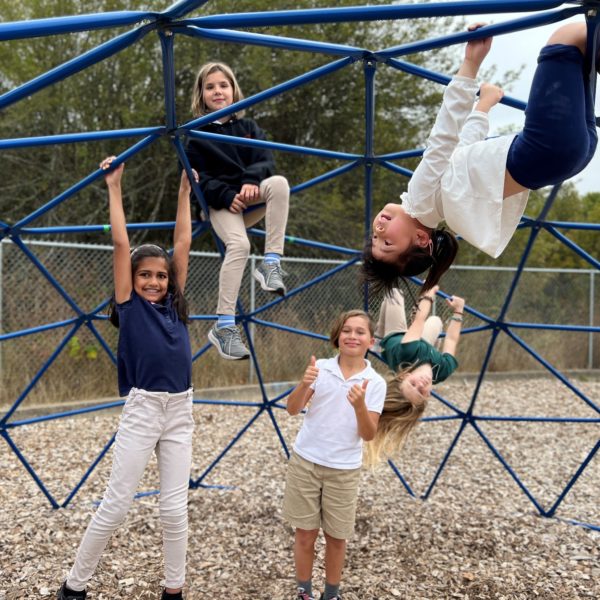
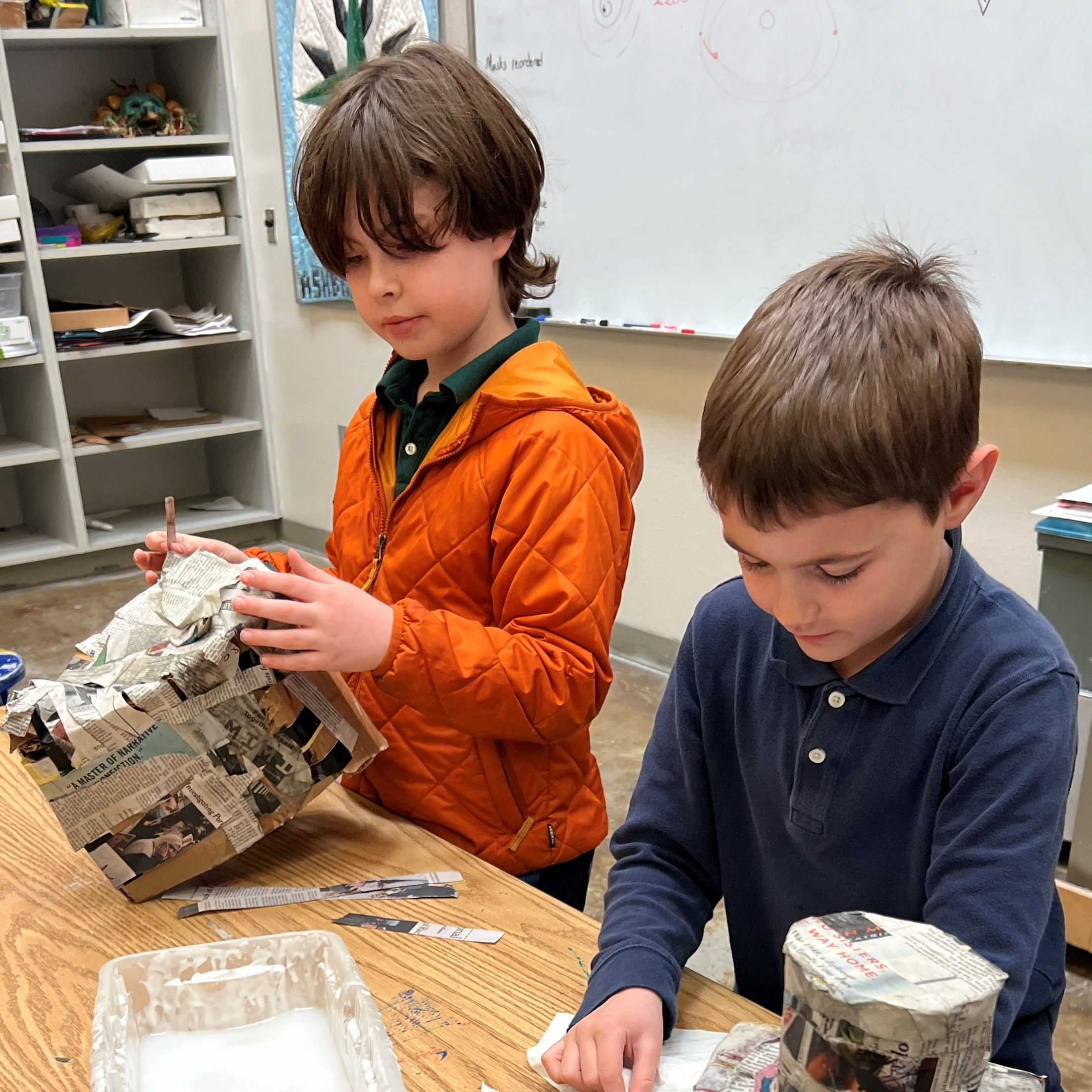

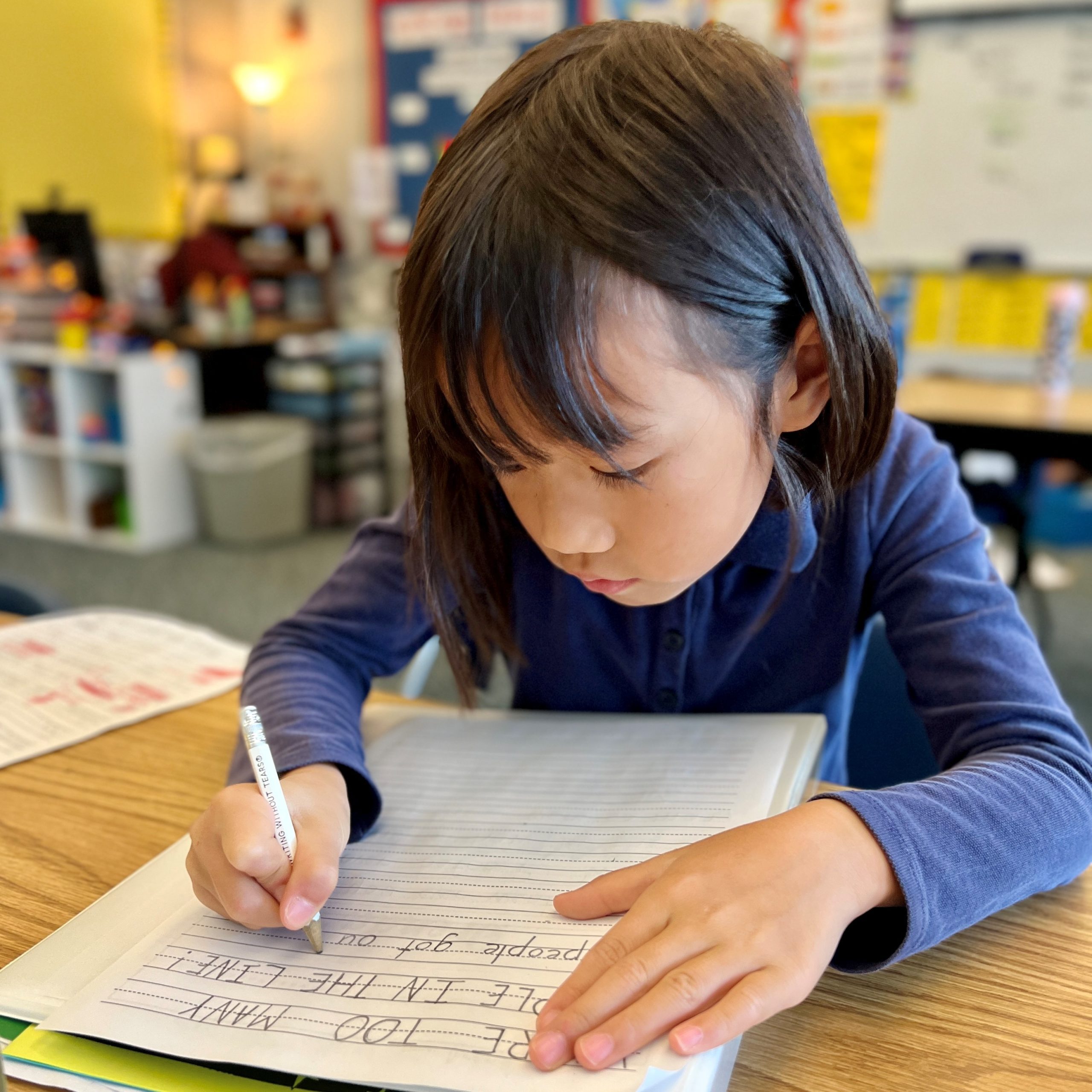
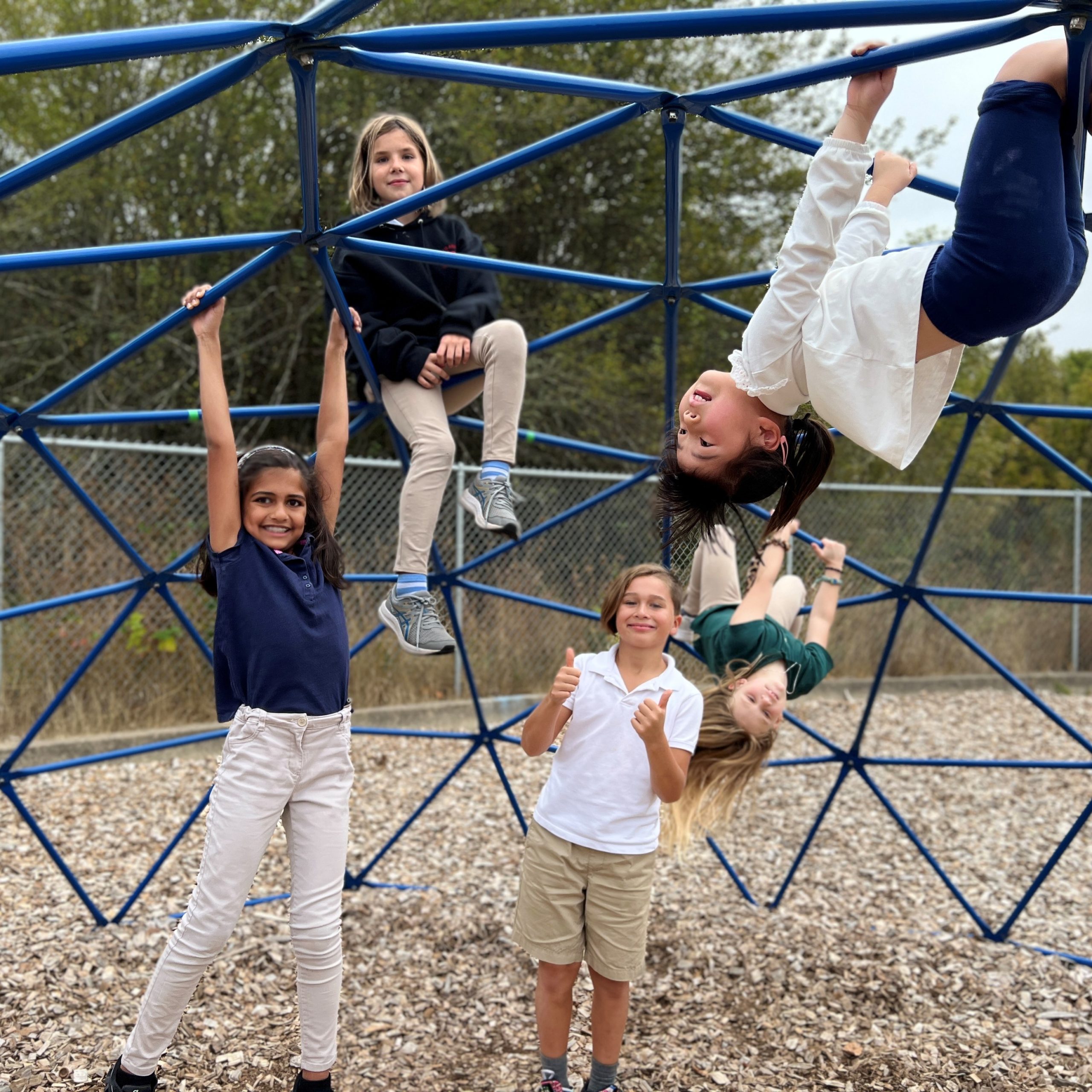
At Ashbrook Independent School, we believe that parents are the primary educators of their children. This foundational principle guides our educational philosophy and shapes our commitment to a true collaboration between school and our families. Accordingly, parents have a right to know what is being taught to their children as well as the instructional methods being used. Please visit the classroom and discipline specific curriculum maps below to learn more about what your child is learning at Ashbrook School. Furthermore, Ashbrook acknowledges that each family is unique, and brings a variety of values, convictions, and goals for their children’s development. For this reason, we affirm the right of parents to excuse their children from any lesson they feel is inconsistent with their family’s values. Finally, we invite you to be in direct contact with your child’s teacher if what you read in the curriculum maps prompts other questions regarding content or teaching methods you would like to know more about.
Click each section to read more curriculum information about each grade level.
Literacy
- In our kindergarten curriculum, literacy is emphasized through a balanced approach that combines phonics, reading, writing, listening, and speaking activities to build foundational skills. Children engage in daily read-aloud sessions that expose them to a variety of genres and enrich their vocabulary. Phonics instruction helps them understand the relationship between letters and sounds, while guided reading groups allow for differentiated instruction tailored to individual needs. Writing centers and activities encourage children to express their thoughts and ideas through drawing and writing, fostering early writing skills. Additionally, interactive storytelling, discussions, and show-and-tell sessions develop listening and speaking abilities, creating a comprehensive literacy environment that supports the growth of confident and capable young readers and writers. If you visit our classroom you will for sure hear us singing a song or rhyme!
Math
- Our kindergarten curriculum using both Bridges and My Math allows math instruction to be dynamic and interactive, blending structured lessons with hands-on activities to build a deep understanding of mathematical concepts. Bridges in Mathematics employs visual models and manipulatives/games, like number racks and pattern blocks, to help children grasp fundamental concepts such as counting, addition, and subtraction. These activities are designed to develop number sense and problem-solving skills through engaging, exploratory learning. My Math complements this approach with structured lessons that introduce key concepts and provide practice through a variety of fun, context-based problems. Together, these programs ensure that students experience math in a meaningful, accessible way, fostering a positive attitude towards math and building a solid foundation for future learning.
Science and Social Studies
- In kindergarten, the science and social studies curriculum is designed to spark curiosity and develop an understanding of the world through engaging, thematic units. Science units include exploring the life cycle of plants, investigating the properties of magnets with hands-on experiments, lessons about snow delve into weather patterns and states of matter, and units on human body systems introduce basic anatomy and health concepts. In social studies, children learn about influential civil rights leaders through stories and activities that highlight themes of equality and justice. A unit on life on a farm teaches about animals, crops, and daily farm activities, providing a glimpse into rural life and the importance of agriculture. These diverse topics foster a love for learning and build foundational knowledge across both scientific and social domains. In the spring we definitely have our own mini zoo in the kindergarten classroom!
Social and Emotional Learning
- In kindergarten, Social and Emotional Learning (SEL) is seamlessly integrated into the curriculum, fostering emotional intelligence, resilience, and positive relationships through a variety of structured and spontaneous activities. The Slumberkins curriculum enhances SEL by using therapeutic storylines and plush characters to teach emotional regulation, empathy, and self-acceptance in an engaging and relatable manner. Teaching with Love and Logic complements this approach by empowering educators to create a nurturing yet structured classroom environment, where children learn responsibility and problem-solving skills through consistent, loving guidance and natural consequences. Together, these approaches ensure that SEL is woven into every aspect of the day, helping children develop essential life skills alongside their academic growth.
Curriculum Resources and Learning Materials
Literacy
- The first-grade literacy curriculum is designed to build strong reading and writing foundations through a comprehensive, multi-faceted approach. Guided reading groups allow for differentiated instruction, providing targeted support as students progress through Rigby and Fountas & Pinnell leveled readers, which are tailored to their individual reading levels. Phonics instruction underpins the development of writing skills, helping students learn to construct complete sentences and short stories with confidence. Integrated literacy activities further enhance this process by connecting reading and writing with other subjects, creating a cohesive learning experience that fosters a love for literature and boosts overall language proficiency. This robust curriculum ensures that first graders develop essential literacy skills in a supportive, engaging environment.
Math
- The first grade My Math curriculum provides a structured and engaging approach to mathematics learning that emphasizes conceptual understanding and problem-solving skills. Students begin by building a solid foundation in number sense, learning addition, subtraction, and place value through hands-on activities and visual models. As they progress, My Math introduces them to foundational concepts such as measurement, geometry, and data analysis, using real-world contexts to make learning meaningful. The curriculum incorporates collaborative learning opportunities, interactive games, and differentiated instruction to ensure that all students are actively engaged and challenged at their appropriate levels. By the end of first grade, students have developed a strong mathematical foundation and a positive attitude towards learning math, setting them up for continued success in future grades.
Science and Social Studies
- In first grade, the science and social studies curriculum is enriched by the integration of Mystery Science and FOSS (Full Option Science System) programs, which foster exploration, inquiry, and hands-on learning. Mystery Science engages students with intriguing scientific mysteries and experiments that spark curiosity and critical thinking about natural phenomena such as weather patterns, life cycles, and physical forces. FOSS complements this approach by providing comprehensive units that delve into scientific concepts like plants and animals, matter and energy, and the Earth’s systems, using inquiry-based investigations and collaborative learning experiences. In social studies, students focus significant efforts on learning geography, specifically about the other 6 continents.
Social and Emotional Learning
- Social and Emotional Learning (SEL) is woven into daily activities and lessons, emphasizing the development of key character traits such as courtesy, integrity, consideration, foresight, self-mastery, bravery, resourcefulness, and self-assurance. Using Teaching with Love and Logic principles, students learn essential skills for navigating social interactions and managing emotions effectively. Conflict resolution strategies are taught through role-playing and discussions, encouraging students to communicate assertively, listen actively, and seek fair solutions to disagreements. Respecting differences is promoted through activities and read-alouds that celebrate diversity and encourage empathy towards others’ perspectives and experiences.
Curriculum Resources and Learning Materials
Literacy
- In second grade, the literacy curriculum focuses on fostering independent readers and writers through a structured approach that includes guided reading groups, spelling practice, the Scholastic 6+1 Traits, and the Lucy Calkins Writing Workshop model. Guided reading groups are instrumental in developing comprehension, accuracy, fluency, and expanding vocabulary (CAFE), as students engage in leveled texts that match their reading abilities. The Lucy Calkins Writing Workshop encourages students to express their ideas through writing, starting with personal narratives and expanding to various genres such as informational texts and poetry. Through mini-lessons, peer conferences, and teacher feedback, students learn to draft, revise, and publish their work independently, building confidence and proficiency in writing. By nurturing both reading and writing skills in a supportive environment, the curriculum empowers second graders to become confident, expressive communicators and lifelong learners.
Math
- Our second grade My Math curriculum provides a comprehensive framework for math instruction that emphasizes conceptual understanding, problem-solving skills, and mathematical fluency. Students build upon foundational concepts learned in earlier grades, diving deeper into addition, subtraction, multiplication, and division. Through hands-on activities, interactive games, and collaborative learning experiences, My Math encourages active engagement and supports differentiated instruction to meet the needs of all learners. The curriculum integrates real-world applications to connect mathematical concepts with everyday scenarios, fostering a deeper understanding of mathematical reasoning and application.
Science and Social Studies
- In second grade students use the FOSS (Full Option Science System) and Mystery Science programs, which provide immersive and hands-on learning experiences across diverse topics. Students explore the intricacies of plant life cycles and pollination through FOSS, engaging in experiments and observations that deepen their understanding of ecological relationships and agricultural processes in the farm to table unit. They investigate states of matter, experimenting with solids, liquids, and gasses, while also exploring the solar system to understand celestial bodies and their interactions. In social studies, students learn about Native American cultures through interactive lessons that highlight their traditions, lifestyles, and contributions to history. Mapping skills are developed through activities that teach students to read and create maps, enhancing their spatial awareness and geographical understanding. Together, these curricula foster a sense of curiosity, critical thinking, and cultural awareness among second graders, preparing them to explore and appreciate the world around them. Second graders are developmentally ready for more project-based learning opportunities and they will definitely get to experience many throughout the year!
Social and Emotional Learning
- Social and Emotional Learning (SEL) is integrated into the curriculum through intentional activities that promote empathy, self-awareness, and responsible decision-making. Read-alouds play a central role in teaching various character traits such as kindness, perseverance, and respect for diversity, while also introducing problem-solving strategies through narrative examples. Utilizing Teaching with Love and Logic principles, students learn to understand the natural consequences of their actions, fostering accountability and critical thinking. This approach encourages students to reflect on their choices, consider alternative solutions to challenges they encounter, and develop resilience in managing emotions and social interactions. By incorporating SEL with read-alouds and Teaching with Love and Logic, second graders not only enhance their emotional intelligence but also cultivate positive behaviors and interpersonal skills that contribute to a supportive and inclusive classroom environment.
Curriculum Resources and Learning Materials
Literacy
- In third grade, the literacy curriculum is designed to elevate reading and writing skills through a focus on guided reading groups and novel studies that foster higher-level thinking and critical analysis. Students jump into complex texts where they examine the author’s purpose, make inferences, and deepen their comprehension through discussions and interactive activities. Third graders transition from learning to read to reading to learn. In writing, students apply the techniques and styles they observe in their readings to craft their own narratives, opinion pieces, and informative essays, often integrating content from their science and social studies units. This approach ensures that students are not only improving their literacy skills but also connecting their learning across subjects, making their educational experience more cohesive and meaningful.
Math
- The third grade math curriculum using My Math provides a comprehensive and engaging approach to mastering essential mathematical concepts. Students build on their previous knowledge through a blend of direct instruction, hands-on activities, and interactive digital resources. Key areas of focus include multiplication and division, fractions, and an introduction to geometry, all taught through real-world applications that make abstract concepts tangible. Problem-solving and critical thinking skills are emphasized as students work through word problems and complex tasks, fostering a deeper understanding of mathematical principles. The My Math curriculum also supports differentiated learning, ensuring that each student progresses at their own pace while achieving proficiency in core math skills. By the end of the year, students are well-prepared for the more advanced mathematical challenges that lie ahead in 4th grade.
Science and Social Studies
- The third grade science and social studies curriculum is designed to be hands-on, project-based, and inquiry-driven, fostering a deep and engaging learning experience. In science, students explore the water cycle through experiments that demonstrate evaporation, condensation, and precipitation, and investigate electricity with interactive circuits and experiments. They also study animal adaptations by observing real-life examples and conducting research projects. Social studies units include an exploration of economics where students learn basic principles through classroom simulations, a study of the diverse regions of the United States with map projects and regional reports, and an immersive investigation of the Oregon Trail, where students recreate the journey through role-playing and project-based activities. This integrated approach ensures that students not only gain knowledge but also develop critical thinking and problem-solving skills, preparing them for more complex concepts in the future.
Social and Emotional Learning
- In third grade, Social and Emotional Learning (SEL) is integral to creating a supportive and cohesive classroom environment, with a strong emphasis on building community through regular classroom meetings. These meetings provide a platform for students to share their thoughts, discuss challenges, and celebrate successes, fostering a sense of belonging and mutual respect. The Big Life Journal is utilized to guide discussions, helping students develop a growth mindset, set personal goals, and reflect on their experiences. Through its engaging activities and thought-provoking prompts, the journal encourages students to embrace resilience, empathy, and self-awareness. This structured approach to SEL not only enhances individual well-being but also strengthens the classroom community, equipping students with the social and emotional skills necessary for academic and personal success.
Curriculum Resources and Learning Materials
Literacy
- The fourth grade literacy curriculum emphasizes deepening comprehension skills and enhancing writing proficiency through an integrated approach centered around class novels and diverse writing tasks. Students engage in collaborative discussions to analyze and interpret texts, fostering critical thinking and effective communication. Summarizing texts and participating in group projects allow them to create presentations and reports that showcase their understanding. Writing tasks are varied and challenging, including personal narratives, persuasive essays, fantasy stories, and poetry, helping students to develop well-rounded essays and reports. This multifaceted approach not only improves their reading and writing skills but also encourages creativity, logical reasoning, and the ability to articulate ideas clearly and confidently.
Math
- The fourth grade math curriculum using My Math is designed to build strong foundational skills while encouraging critical thinking and problem-solving. Students experience more complex concepts such as multi-digit multiplication and division, fractions and decimals, and geometry. The curriculum emphasizes real-world applications, helping students understand the relevance of math in everyday life. Interactive lessons, visual aids, and hands-on activities engage students and cater to various learning styles. My Math also incorporates differentiated instruction, ensuring that each student can progress at their own pace and receive the support they need. By integrating these elements, the curriculum not only reinforces core math skills but also fosters a deeper understanding and appreciation of mathematical principles.
Science and Social Studies
- In fourth grade, the science and social studies curriculum is deeply rooted in literacy, with a focus on connecting reading, writing, and research skills to engaging and informative units. Students explore scientific concepts such as the Earth’s interior, human body systems, and the properties of sound and light through hands-on experiments and informative texts that enhance their reading comprehension and scientific inquiry. In social studies, students embark on a research journey through units on the Amazon rainforest, where they investigate ecosystems and rainforest animals, and conduct in-depth studies of continents including Australia, Africa, Asia, and Europe. These units integrate literacy activities such as reading informational texts, writing reports, and creating presentations, which help students develop research skills and communicate their findings effectively. By blending science and social studies with literacy, the curriculum provides a rich, interdisciplinary learning experience that builds both academic and critical thinking skills.
Social and Emotional Learning
- Fourth grade Social and Emotional Learning (SEL) and development are central to fostering a supportive and resilient classroom community, guided by the Big Life Journal curriculum and Teaching with Love and Logic principles. Big Life Journal helps students cultivate a growth mindset, encouraging them to set goals, reflect on their experiences, and build self-confidence through engaging activities and discussions. The curriculum emphasizes traits such as perseverance, empathy, and self-awareness, which are further reinforced by the Teaching with Love and Logic approach. This approach empowers students to make responsible decisions and understand the consequences of their actions in a nurturing environment. Together, these methods promote emotional intelligence, problem-solving skills, and positive social interactions, supporting students’ overall personal growth and academic success.
Curriculum Resources and Learning Materials
Lower School academics provide the foundation for all future learning. In addition to the core subjects, Ashbrook students receive daily instruction in a world language, music, and physical education as well as weekly instruction in art and drama. Ashbrook provides transparency with respect to the student experience in all of our programs, including character education, social skills, study skills, problem solving, and conflict management.
In addition, Lower School homerooms are paired with Middle School advisory groups as Ashbrook Buddies. Buddy activities reinforce multi-age personal connections and the Ashbrook community as a whole.