

“Learning at Ashbrook doesn’t end at the classroom door”
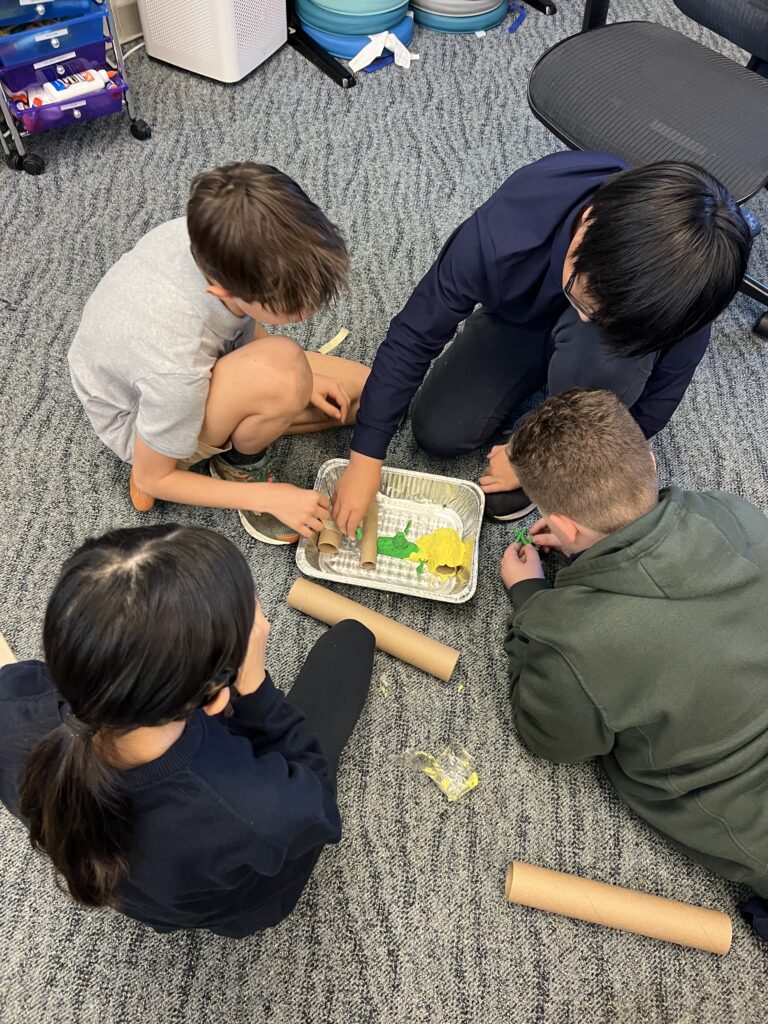
Learning at Ashbrook doesn’t end at the classroom door. Our teachers believe in the power of experiential learning, hands-on, real-world, “learn-by-doing” experiences that deepen understanding, ignite passion… and are just plain fun!
On and off campus, students explore tidepools on the coast in Outdoor School, reenact historical biographies in full costume, simulate courtrooms in mock trials,attend Model UN sessions as committee members, and garden in our outdoor classrooms and greenhouse. Rather than “a day off from school,” or doing something most families are going to do on the weekend, Ashbrook field trips are frequent, purposeful, and connected to our curriculum, Moreover, our teachers are masters at creating interesting and engaging projects and opportunities that provide students with environments and resources to apply what has been learned, and to pursue their interests meaningfully and independently. These experiences make learning real. They help students connect theory to practice and spark the kind of enthusiasm that only real-life application can inspire.
Explore Character Education Today
While school field trips often include visits to museums, field trips that complement the material students are covering in their classes through visits to historical sites, nature reserves, cultural centers, or any other place that is relevant to the subject being studied, provide students with a variety of ways to connect to classroom lessons. This instructional benefit of field trips cannot be overstated, particularly for non-traditional learners and especially in terms of the positive impact these off campus trips have on school satisfaction and academic success.
One of the most significant benefits of field trips is that they allow students to make real-world connections to what they are learning in class. For example, visiting a museum can help students understand and better appreciate historical events, artifacts, and artwork, particularly if the trip is not officially concluded until after a post trip debrief and reflection BACK in the classroom. Such trips also provide students with an opportunity to experience things that cannot be replicated in a classroom, such as observing live animals in their natural habitats, interacting with different cultures, or conducting scientific experiments in real-time.
Research has also shown that field trips improve school satisfaction for students. A study published in the Journal of Educational Psychology found that students who participated in a field trip reported higher levels of satisfaction with their school experience than those who did not. This increase in school satisfaction can lead to better attendance, increased engagement in learning, a discovered passion or interest, and a more positive attitude towards school in general.

Finally, field trips have been found to contribute to students’ academic success. According to a report by the U.S. Department of Education, students who participated in educational field trips demonstrated significant gains in critical thinking, historical empathy, and tolerance. Another study published in the Journal of Research in Science Teaching found that students who participated in a field trip to a science museum showed an increased ability to recall scientific information and demonstrated a greater interest in, and understanding of, the science content they were studying AND related content (what is referred to as transfer of knowledge) not directly studied.
Whether it’s a day-long science hike or a week-long Band or 8th grade class trip, experiential learning is core to the Ashbrook experience and an essential part of delivering on our promise to challenge and nurture!